
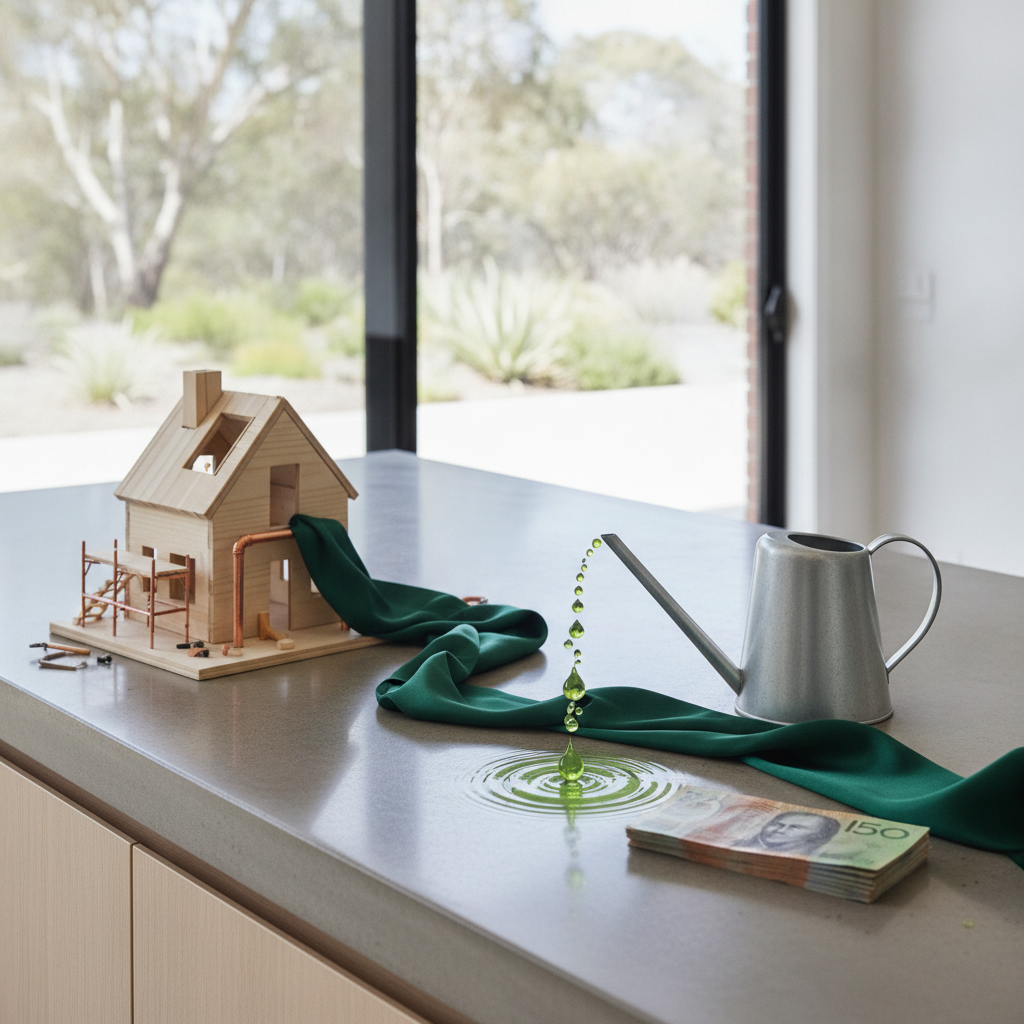
The dream of transforming your home is a common one for many Australians. Whether it’s adding an extra bedroom, revamping a tired kitchen, or creating an outdoor entertaining oasis, renovations can significantly enhance your lifestyle and potentially boost your property's value. However, the excitement of design choices can sometimes overshadow a crucial element: managing your cash flow. A well-planned renovation isn't just about aesthetics; it's about smart financial management to ensure your project runs smoothly without undue stress on your everyday finances.
Funding Your Australian Renovation: What Are Your Options?
Before you even pick up a paint swatch, it's vital to understand how you'll finance your renovation. Your choice can significantly impact your cash flow both during and after the project.
- Using Your Savings: The most straightforward option, as it avoids additional debt. However, it means your liquid cash reserves might be depleted, which could be risky if unexpected expenses arise.
- Personal Loans: These are unsecured loans, often with higher interest rates and shorter repayment terms than home loans. While quick to access, they can put a strain on your monthly cash flow due to higher repayments.
- Redrawing from Your Home Loan: If you have extra repayments sitting in your home loan, you might be able to redraw these funds. This is generally a cost-effective option as it uses your existing low-interest home loan.
- Refinancing Your Home Loan: You could refinance your existing home loan to include the cost of your renovation. This often means a lower interest rate than a personal loan and longer repayment terms, spreading the cost. However, it will increase your overall home loan debt and repayments.
- Construction Loans: For larger, structural renovations, a construction loan might be suitable. Funds are typically drawn down in stages as work progresses, meaning you only pay interest on the amount you’ve used, which can be beneficial for cash flow during the build.
Crafting a Realistic Renovation Budget
A solid budget is your renovation's backbone. It's not just about the big-ticket items; it’s about accounting for everything.
- Detailed Costing: Get multiple quotes for every aspect of the work – materials, labour, permits, and professional fees (architects, engineers, designers). Don't just estimate; get specifics.
- The Contingency Fund: This is non-negotiable. Unexpected issues are almost guaranteed in renovations, especially with older homes. A contingency of 10-20% of your total budget is a wise buffer to protect your cash flow from sudden shocks.
- DIY vs. Professional: Be honest about your skills and time. While DIY can save money on labour, it can also lead to costly mistakes or prolonged timelines if not executed properly, impacting your cash flow through extended project costs or even re-dos.
Smart Cash Flow Management During the Project
Once the hammers start swinging, active cash flow management becomes critical.
- Staged Payments: For larger projects, negotiate staged payments with your builder or tradespeople. This means you only pay for work as it's completed to a satisfactory standard, aligning your outgoings with progress and protecting your funds.
- Track Every Dollar: Keep meticulous records of all expenses. Use spreadsheets or budgeting apps. This helps you stay on track and quickly identify if costs are blowing out.
- Avoid Scope Creep: It's easy to get carried away with new ideas once the project is underway. Each 'small' change can add up, impacting both your budget and timeline. Stick to your original plan unless absolutely necessary, and always get a revised quote for any changes.
Long-Term Impact: Renovations and Your Future Cash Flow
Consider how your renovation will affect your finances beyond the build phase.
- Increased Property Value: A well-executed renovation can significantly increase your home’s market value, potentially boosting your equity.
- Loan Repayments: If you've taken on additional debt, your monthly loan repayments will increase. Ensure your ongoing income can comfortably service these higher repayments without straining your household budget.
- Energy Efficiency: Renovations can be an opportunity to improve your home's energy efficiency (e.g., insulation, solar panels, energy-efficient appliances). While an upfront cost, these can lead to savings on utility bills, positively impacting your long-term cash flow.
Common Renovation Cash Flow Pitfalls to Avoid
Being aware of potential traps can save you significant financial headaches.
- Underestimating Costs: This is the most common pitfall. Always budget generously and include that contingency fund.
- Overcapitalising: Spending more on renovations than your property's market value can realistically recoup. Research your local market to understand the ceiling price for homes in your area.
- Ignoring Hidden Costs: Don't forget council fees, insurance adjustments, temporary accommodation, or even the cost of eating out more often if your kitchen is out of action.
- Poor Project Management: Delays, disputes, and rework can all lead to increased costs and cash flow strain.
Renovating your home can be an incredibly rewarding experience, but it requires careful financial planning and astute cash flow management. By understanding your funding options, creating a robust budget, and actively tracking your expenses, you can navigate your renovation journey with confidence. Remember, every Australian's financial situation is unique. For tailored guidance on financing your renovation and ensuring it aligns with your long-term financial goals, it’s always best to speak with a professional. The team at SW Brokerage is here to help you explore your options and make informed decisions.
Ready to talk to a broker?
Get tailored finance and lending advice from the SW Brokerage team.


