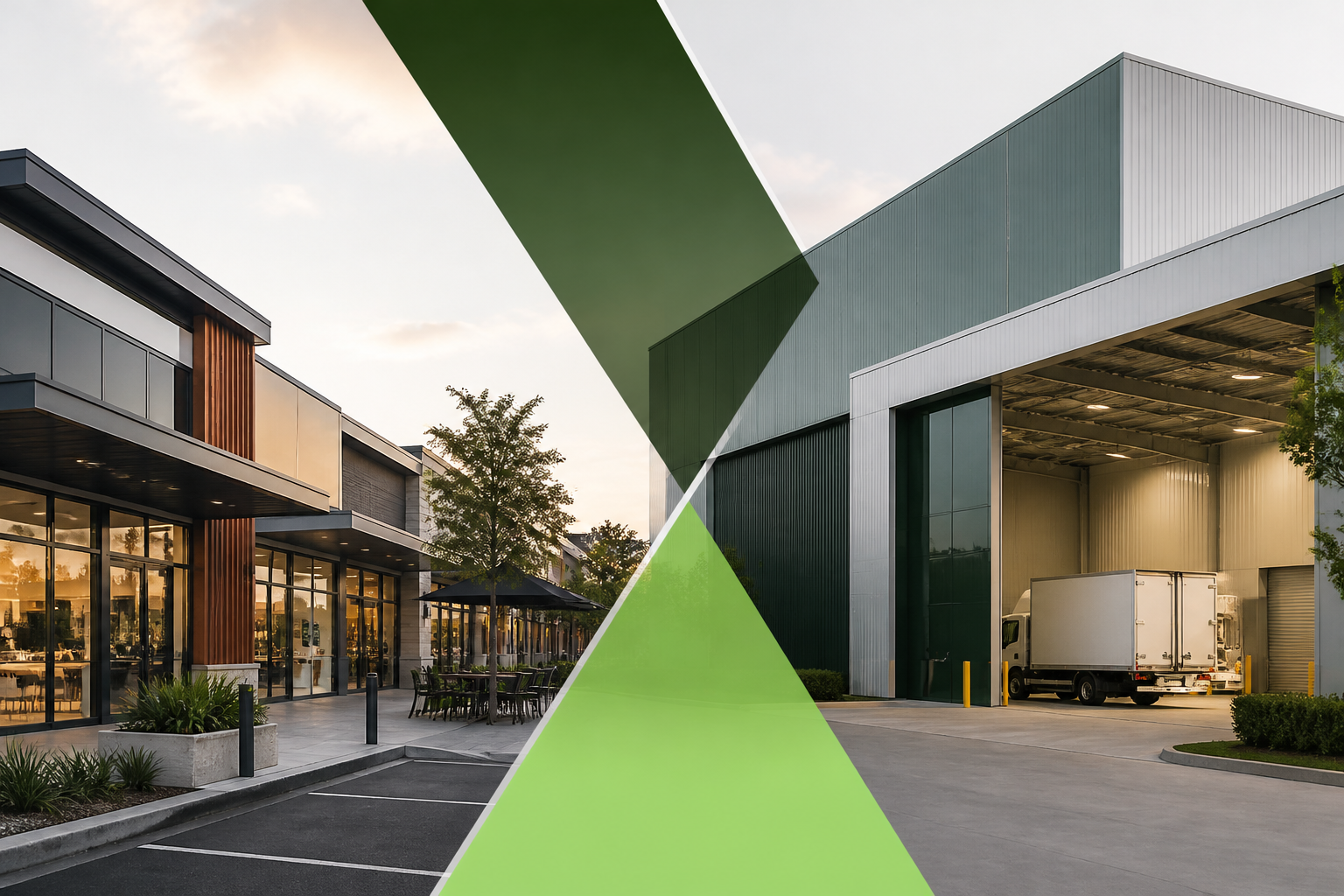
Deciding where to allocate capital in the commercial property market often comes down to a choice between two heavyweights: retail and industrial. While both offer distinct advantages compared to residential real estate—such as longer lease terms and tenants who typically cover outgoings—the day-to-day realities of owning a warehouse in an industrial precinct versus a shopfront in a bustling retail strip are vastly different. For Australian investors, understanding the nuances of these asset classes is essential for building a balanced portfolio that can withstand shifting economic cycles.
The Rise of the Industrial Powerhouse
For many years, industrial property was considered the 'quiet' sector of commercial real estate. However, the rapid expansion of e-commerce has propelled industrial assets to the forefront of investor demand. This sector primarily includes warehouses, distribution centres, cold storage facilities, and light manufacturing hubs.
The appeal of industrial property lies in its simplicity. These buildings are often 'big boxes' with functional layouts that require minimal capital expenditure compared to high-end retail fit-outs. Because the structures are relatively straightforward, maintenance costs tend to be lower. Furthermore, the tenant pool for industrial space is broad, ranging from logistics firms and wholesalers to trade suppliers.
One of the most significant benefits of industrial investment in Australia is the prevalence of 'triple net leases.' In these arrangements, the tenant is often responsible for almost all property-related expenses, including council rates, insurance, and maintenance. This results in a cleaner 'net' return for the owner, providing greater certainty over cash flow.
Navigating the Retail Landscape
Retail property encompasses everything from small suburban 'mom and pop' shops and trendy cafes to large-format retail centres and regional shopping malls. While industrial property relies on logistics and supply chains, retail is driven by consumer sentiment, foot traffic, and location.
A prime retail investment offers the benefit of visibility. A well-located shopfront in a high-traffic area often sees strong capital appreciation over the long term. Retail tenants also tend to invest heavily in their own fit-outs to attract customers, which can incentivise them to stay in the location for longer to recoup their investment.
However, retail can be more management-intensive. Landlords may need to be more involved in the presentation of the precinct, and retail leases in Australia are often governed by specific state-based retail shop leases acts. These regulations provide certain protections to tenants that may not exist in industrial or purely commercial agreements, such as restrictions on how outgoings are recovered or requirements for disclosure statements. It is vital to work with a legal professional and a knowledgeable broker to understand how these regulations impact your borrowing capacity and projected returns.
Yields, Lease Terms, and Stability
When comparing the two, the 'yield' (the annual rental income as a percentage of the property's value) is a primary metric. Historically, industrial properties have offered slightly higher yields to compensate for lower capital growth potential, though this gap has narrowed as the sector has become more popular. Retail yields vary significantly depending on the 'anchor' tenant; a shop next to a major supermarket will generally have a lower yield (reflecting lower risk) than a standalone boutique.
Lease terms are another critical differentiator:
- Industrial: Often features long-term leases (5 to 10 years) with fixed annual rent increases. Tenants are usually reluctant to move due to the high cost of relocating heavy machinery or inventory systems.
- Retail: Lease terms can be shorter (3 to 5 years), particularly for smaller tenancies. However, high-performing retail locations can see intense competition among tenants, leading to strong rental growth when a lease expires.
Diversification and Risk Management
For an Australian investor, the choice between retail and industrial often depends on their existing exposure. If you already own residential property, industrial assets offer an excellent hedge because they are influenced by different economic drivers—trade volumes and infrastructure spending rather than local housing demand.
Risk in industrial property often centres on 'obsolescence.' As technology changes, older warehouses with low internal clearances or poor truck access may become harder to lease. In retail, the primary risk is 'vacancy' driven by economic downturns or shifts in consumer habits (like the move from physical stores to online shopping). Successful retail investors look for 'recess-proof' tenants, such as pharmacies, medical centres, or supermarkets, which provide essential services regardless of the economic climate.
Financing Your Commercial Ambitions
Lending for commercial property is a different beast compared to the residential market. Lenders will closely scrutinise the 'weighted average lease expiry' (WALE), the strength of the tenant’s financial position, and the specific location of the asset. Generally, you can expect lower Loan-to-Value Ratios (LVRs) for commercial properties, often requiring a deposit of 30% or more, depending on the asset type and the lender’s current appetite.
Because every commercial deal is unique, there is no 'one size fits all' loan. Some lenders may offer more favourable terms for industrial sheds in growth corridors, while others might prefer the stability of established retail strips. Navigating these options requires a strategic approach to finance that considers your long-term wealth goals and the specific risks of the property in question.
Partner with the Experts at SW Brokerage
Whether you are drawn to the logistical efficiency of industrial assets or the high-visibility potential of retail property, securing the right finance is the foundation of your success. The Australian commercial market moves quickly, and having a team that understands the local landscape in Brisbane and beyond can make all the difference.
At SW Brokerage, we specialise in helping investors navigate the complexities of commercial lending. We take the time to understand your portfolio and connect you with the lending solutions that fit your strategy. If you are ready to explore your options in the retail or industrial sectors, contact the SW Brokerage team today for a confidential discussion about your next move.
This article is intended for general information purposes only and does not constitute personal financial or investment advice. We recommend consulting with a qualified professional before making any financial decisions.
Ready to talk to a broker?
Get tailored finance and lending advice from the SW Brokerage team.